 Connexion
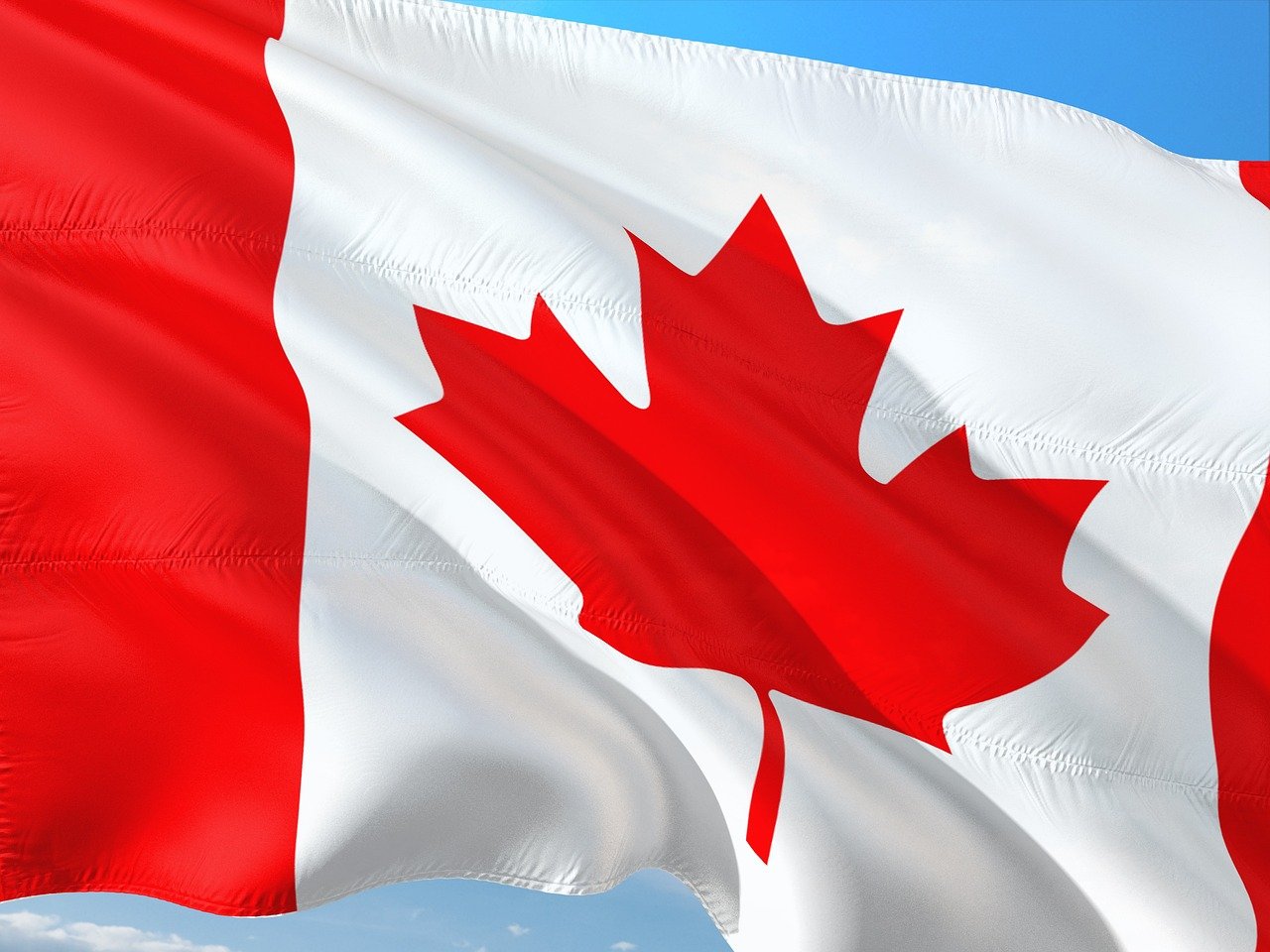
Canada, the world’s second-largest country by land area, is more than just breathtaking landscapes and maple syrup. It’s a thriving democracy known for its progressive values, strong economy, multicultural society, and peaceful diplomacy.
This article explores Canada’s geography, history, culture, economy, and global influence. Whether you’re Canadian or simply fascinated by this northern gem,
Geography and Population
Covering nearly 10 million square kilometers, Canada stretches from the Pacific to the Atlantic Ocean, up to the Arctic. Its vast land includes mountains, forests, lakes, prairies, and tundra making it one of the most geographically diverse nations on Earth.
- Capital: Ottawa
- Largest City: Toronto
- Population: ~40 million (2025 estimate)
- Official Languages: English and French
- Time Zones: Spans six time zones
Canada shares the longest international land border with the United States and boasts over 2 million lakes, more than any other country.
A Glimpse into Canadian History
Canada’s modern identity emerged through peaceful evolution, rather than revolution.
Key historical milestones:
- 1867: Confederation – birth of modern Canada
- 1931: Full legislative independence from Britain
- 1982: Constitution Act – Canada gains full sovereignty
- 1995: Quebec referendum nearly divides the nation
- 2015–present: Rise of progressive leadership and reconciliation efforts with Indigenous peoples
Canada's history is shaped by coexistence, making it one of the world's most peaceful democracies.

Canadian Culture: A Tapestry of Diversity
Canada embraces multiculturalism as a national strength. It is home to people from all continents and faiths, creating a cultural mosaic celebrated across provinces.
Cultural highlights:
- Music: Céline Dion, Drake, The Weeknd, and Justin Bieber
- Film: TIFF (Toronto International Film Festival) is world-renowned
- Cuisine: Poutine, butter tarts, bannock, maple syrup, and international fusion
- Sports: Ice hockey is a national passion; Canada also excels in basketball and winter sports
- Literature: Margaret Atwood, Alice Munro (Nobel Prize winner)
Respect for diversity, bilingualism, and Indigenous culture are at the heart of Canadian identity.
Economic Strength and Innovation
Canada ranks among the top 10 largest economies globally. Its economy is both resource-rich and innovation-driven.
Major industries:
- Natural Resources: Oil, gas, forestry, and minerals
- Technology: Rapid growth in AI, fintech, and clean tech
- Finance: Toronto is a top financial center
- Agriculture: One of the world’s largest grain producers
- Tourism: Attracts millions for its nature and culture
With strong institutions, low corruption, and an educated workforce, Canada is consistently rated as one of the best countries to live and work in.

Education and Research Leadership
Canada is globally respected for its education system.
Top universities include:
- University of Toronto
- McGill University
- University of British Columbia (UBC)
- Université de Montréal
Canada leads in research output, especially in artificial intelligence, health sciences, and climate innovation. Its education system is inclusive, multilingual, and internationally ranked.
Peaceful Diplomacy and Global Role
Canada is a champion of human rights, peacekeeping, and climate action.
- Founding member of the United Nations, NATO, G7, Francophonie, and Commonwealth
- Renowned for peacekeeping missions
- Actively promotes gender equality, LGBTQ+ rights, and sustainable development
- Maintains a low-profile but trusted diplomatic role worldwide
Canada is often ranked among the most admired nations for its values and responsible leadership.
Challenges and Resilience
Like every nation, Canada faces challenges:
- Climate change (melting Arctic, wildfires)
- Housing affordability in major cities
- Reconciliation with Indigenous communities
- Healthcare system strain due to demand
Yet, Canada addresses these issues through dialogue, policy, and innovation, reinforcing its image as a mature democracy.

Global Perception of Canada
Internationally, Canada enjoys a stellar reputation.
Positive attributes:
- Peaceful and polite society
- Clean cities and pristine nature
- Welcoming immigration policies
- Cultural diversity and inclusivity
Occasional criticisms:
- Overreliance on resource extraction
- Cold climate in many regions
- High cost of living in cities like Vancouver and Toronto
Still, Canada ranks consistently in the Top 5 of global quality-of-life indexes and trustworthiness surveys.
Why Vote for Canada on NationsRanker?
Canada represents a blend of modern values, natural beauty, and human potential. Supporting Canada on NationsRanker means endorsing:
- Peace
- Diversity
- Sustainability
- Education
- Innovation
If you believe in a better world built on inclusiveness and compassion, then Canada deserves your diamonds. Show your support and help raise its global ranking today.
Fun Facts About Canada
Home to the longest coastline in the world
- Over 75% of the world’s maple syrup comes from Quebec
- Canada has two official national sports: hockey and lacrosse
- The national motto is "A Mari Usque Ad Mare" ("From Sea to Sea")
The CN Tower in Toronto was once the world’s tallest free-standing structure
Conclusion
Canada is more than a land of lakes and forests—it’s a symbol of progress, peace, and possibility. From its multicultural cities to its untouched wilderness, Canada balances modernity with mindfulness.
Support Canada on NationsRanker.com and help the world recognize its essential role on the global stage.